
A comprehensive review of 1,513 euthanasia records from Camarero Racetrack (2019–2024) was conducted by a small group of independent contributors.
For each horse, we analyzed:
- Race history and workload
- Final race date
- Time between last race and euthanasia
- Documented reason for euthanasia
What the Data Shows
When viewed collectively, clear patterns emerge:
- Musculoskeletal injuries dominate
Most euthanasias were attributed to fractures, degenerative joint disease, and soft tissue breakdown—conditions that develop over time under repeated stress. - Decline was visible before death
Many horses showed declining performance and repeated veterinary concerns prior to euthanasia.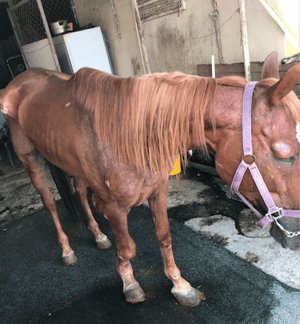
- Horses continued racing despite red flags
Veterinary list placements and other warning signs did not consistently result in removal from competition. - Euthanasia often followed shortly after racing
A significant number of horses were euthanized within days or weeks of their last race.