
Skip to content

Behind the Numbers:
Racehorse Euthanasia at Camarero

A comprehensive review of 1,513 euthanasia records from Camarero Racetrack (2019–2024) was conducted by a small group of independent contributors.

For each horse, we analyzed:

  • Race history and workload
  • Final race date
  • Time between last race and euthanasia
  • Documented reason for euthanasia

What the Data Shows

When viewed collectively, clear patterns emerge:

  • Musculoskeletal injuries dominate
    Most euthanasias were attributed to fractures, degenerative joint disease, and soft tissue breakdown—conditions that develop over time under repeated stress.
  • Decline was visible before death
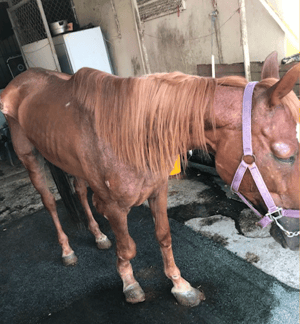
    Many horses showed declining performance and repeated veterinary concerns prior to euthanasia.
    Screenshot 2026-04-18 at 1.27.51 PM

  • Horses continued racing despite red flags
    Veterinary list placements and other warning signs did not consistently result in removal from competition.
  • Euthanasia often followed shortly after racing
    A significant number of horses were euthanized within days or weeks of their last race. 


Why This Matters

These are not isolated incidents. The dataset reveals consistent, repeatable outcomes across multiple years.

This shifts the issue from individual cases to system-level patterns.

What This Means for Reform

The findings support the need for evidence-based changes, including:

  • Stricter fitness-to-race standards
  • Mandatory diagnostic evaluation after veterinary flags
  • Enforced recovery and rest periods
  • Full transparency in euthanasia reporting

The Bottom Line

This analysis provides a data-driven foundation for reform, with a clear objective:

Reduce preventable outcomes and improve long-term welfare for Thoroughbred racehorses.

This mosaic is built from 1,513 individual tiles, each representing a horse lost at Camarero between 2019 and 2024. From a distance, the image forms a single eye. Up close, each tile stands on its own as a life that mattered. The piece is designed to confront scale and individuality at the same time, turning data into something visible, personal, and impossible to ignore.


Photo mosaic by: chrissylaughlin @ Mosaically